
Magic
RuneScape: Dragonwilds magic explained: Anima gathering, Air, Fire and Water spell unlocks, rune costs and the utility casts that gather and travel.
Introduction
Magic in RuneScape: Dragonwilds is a second toolkit rather than a pure damage school. Because the continent of Ashenfall leaks wild Anima from cracked ground and glowing vents, the Magic skill grows alongside Woodcutting and Mining instead of replacing them, and several spell unlocks exist purely to make gathering faster. Air Magic opens with Tempest Shield and Windstep, which let you leap higher and land with a damaging air blast. Fire Magic enchants melee weapons so critical hits burn, and Water Magic arrived with the Umbral Sands desert expansion as a combat-focused school of its own. Utility spells such as Splinter, Rocksplosion, Fishnado and Recall turn the spellbook into a traversal and resource tool, splitting logs, shattering ore veins, scooping up fish and pulling you back to safety. Higher casts consume runes crafted at the Rune Altar from rune essence, and Law Runes in particular pay for fast travel between Lodestones.
Magic Spell Families and Runes at a Glance
| Spell | School | Tier | Primary Use |
|---|---|---|---|
| Tempest Shield | Air Magic | S | Damage shield plus a landing air blast that clears packs |
| Windstep | Air Magic | A | Higher leaps and mid air repositioning over broken ground |
| Splinter | Utility | S | Splits felled logs into usable timber without extra swings |
| Rocksplosion | Utility | A | Breaks ore veins open for a fast burst of Mining materials |
| Recall | Utility | A | Snaps you back to a chosen point when a hunt goes badly |
Spellbook Picks and Rune Guide
Anima
The wild magic resource behind every cast, drawn from glowing vents and the fractured, Anima rich ground of Ashenfall.
Tempest Shield
An Air Magic defensive bubble that doubles as crowd control when you drop from height onto a pack of enemies.
Windstep
The mobility spell most players unlock first, letting you leap higher and land with a damaging air blast on impact.
Fire Magic
A school that enchants your melee weapon so critical hits set enemies burning, and adds fire spells to the spellbook.
Splinter and Rocksplosion
Two gathering spells that turn Magic into a resource skill, splitting logs and blowing ore veins apart in one cast.
Law Runes and Recall
The travel half of the spellbook, where Law Runes pay for fast travel and Recall yanks you out of a losing fight.
Core Mechanics
Magic is wired into the same skill ladder as everything else, so spells arrive as milestone unlocks rather than as purchases. The Magic skill tree ties new casts to levels, and neighbouring skills hand over spells too: Runecrafting opens the Windstep agility spell and the rune recipes, Mining brings Rocksplosion, Cooking grants Bones to Peaches, and Artisan delivers Superheat and Magical Mending. The resource side is Anima, the wild magic that leaks from vents and fractured ground, which you gather in the world and then spend. Runes are the second currency, crafted from rune essence at the Rune Altar into Earth, Fire, Law and Nature Runes, with Law Runes consumed by fast travel. In practice a magic build juggles three things at once: Anima in the pool, the right rune for the cast, and the stamina you need to dodge between casts, which is why the 0.12.1 Stamina, Parry and Dodge rework changed how the whole school feels.
Advantages
The strongest argument for Magic is that it never competes with your gathering loop, it accelerates it. Splinter, Rocksplosion and Fishnado turn wood, ore and fish into spell targets, so a mage gathers faster than a player swinging a hatchet, and Windstep removes the long walks that eat a survival session. Combat wise, ranged casts let you soften a dragon before it closes, Fire Magic adds burning critical hits to whatever melee weapon you are already carrying, and Tempest Shield buys a defensive window when a vault room goes wrong. Travel is the quiet winner: Law Runes plus Recall mean a bad pull costs a cast rather than a full corpse run across two regions. Because Anima is gathered from the landscape instead of bought, the school also scales with exploration, and nothing about it locks you out of melee or ranged gear.
Challenges
Magic asks for attention in three places at once. Anima is a world resource, so a long vault run drains the same pool you wanted for gathering, and the strongest casts compete with the utility spells that make the school convenient. Runes add a second cost on top, and Law Runes in particular turn fast travel into a consumable you have to keep crafting at the Rune Altar from rune essence. Combat feel is the historical complaint: the community repeatedly described early combat as clunky, which is exactly why 0.12.1 reworked Stamina, Parry, Dodge and animation cancelling, so any guide written before that patch may describe timings that no longer exist. Unlock levels are another soft spot, because community guides place spells such as Splinter around Woodcutting level 27 from an older version of the game, so treat those numbers as approximate. Finally, a mage who splits investment across three schools often ends up weaker than a specialist.
Frequently Asked Questions
How do I unlock Magic in RuneScape: Dragonwilds?+
Where do I get Anima?+
Are Law Runes worth the cost?+
Is magic better than melee in Dragonwilds?+
Quick Tips
Carry a reserve of Anima before every vault attempt. The most common magic failure is not a bad spell choice but an empty pool at the worst possible moment, because the same resource that powers your damage also powers the utility casts that gathered the materials you are carrying. Top up on the way in, and if a run goes long, decide early whether you are spending the last of it on offence or on an escape. A Windstep or Recall with Anima behind it is worth more than one extra cast of damage at the end of a fight you were going to win anyway.
Level Runecrafting alongside Magic rather than after it. Runecrafting is what opens the Rune Altar recipes for Earth, Fire, Law and Nature Runes, and it also grants the Windstep spell. If you pour everything into Magic and ignore Runecrafting, you end up with a spellbook full of casts you cannot pay for, which is a worse position than a smaller spellbook with a stocked rune pouch. Treat the two skills as one project and train them in the same session whenever you can.
Use Splinter and Rocksplosion as your default gathering tools once you have them. Spells do not need repairs, do not consume tool durability and cover several resources with one bar slot, so the time saved compounds across a base build. The trade is Anima, and the mistake players make is treating gathering casts as free. Budget for them the way you budget for combat casts, and gather a little more Anima than the trip strictly needs so you are not stranded in a dangerous region with an empty pool and a long walk home.
Do not spread across all three schools at once. Air gives mobility and Tempest Shield, Fire enchants your melee weapon for burning critical hits and Water arrived later with Umbral Sands as a dedicated combat school, so each one asks for runes, levels and bar space. Pick one combat school to push first and treat the others as support until your main choice is comfortable. A specialist with one strong school plus the cheap utility spells will clear more content than a generalist who can cast a little of everything and finish nothing.
Re-test your spell timings after patches. The community spent a long stretch describing Dragonwilds combat as clunky, and 0.12.1 reworked Stamina, Parry, Dodge and animation cancelling in response, which changes when you can safely start a cast. Any spell rotation you learned from an older video may assume windows that no longer exist. Spend a few minutes on a roaming dragon after each major update, confirm which casts you can finish before a wind up lands, and adjust the bar accordingly rather than blaming your build.
Featured
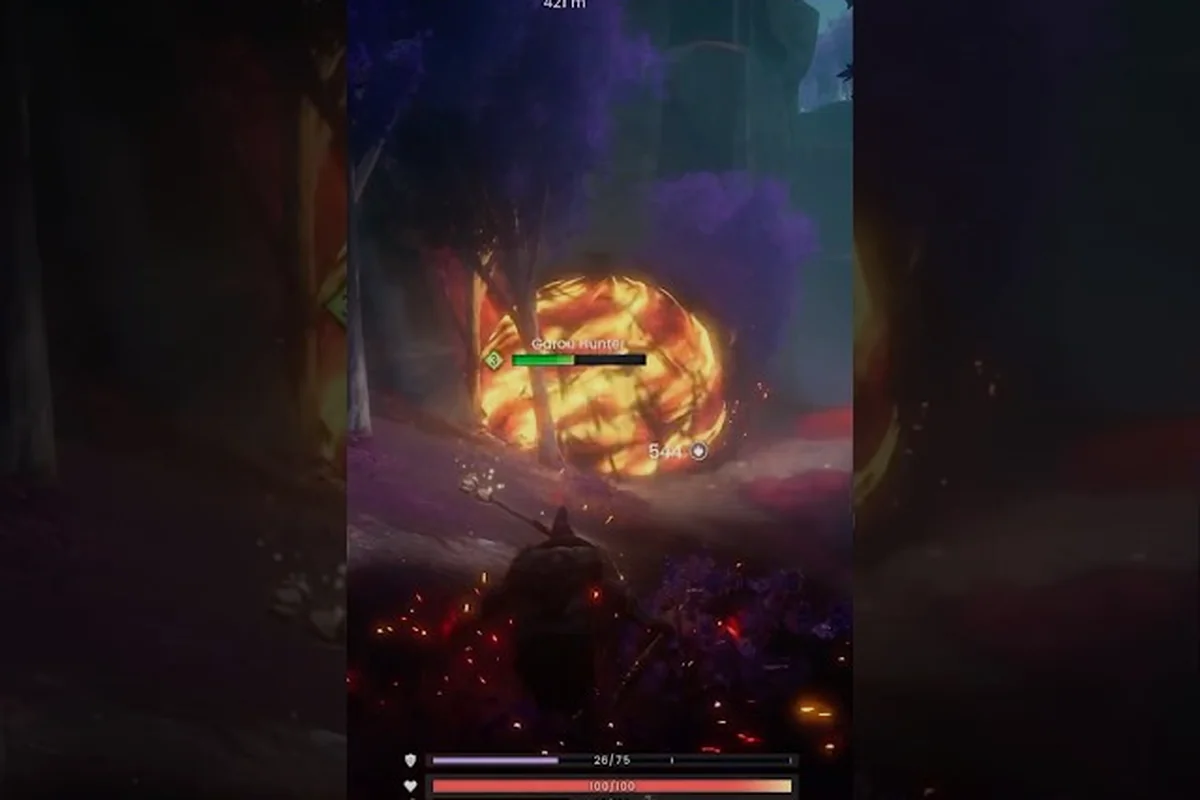
RuneScape: Dragonwilds Best Magic Staff: Necromancy & Tempest
Find the RuneScape: Dragonwilds best magic staff for every fight, compare Necromancy Staff and Tempest Shield pairings, and slot Windstep for top-tier spell damage.

RuneScape: Dragonwilds Magic Guide: Spells & Combat Basics
Learn RuneScape: Dragonwilds magic from the ground up: how to unlock your first spells, equip a staff, and start casting Water Magic and other elemental attacks.

RuneScape: Dragonwilds Magic Types: Anima Vents & Law Runes
Switch between RuneScape: Dragonwilds magic types by harvesting Wild Anima at Anima Vents, stocking Law Runes, and slotting the right spellbook for each build.
All Articles

RuneScape: Dragonwilds Best Magic Gear: Wizard Armor & Hotkeys
Gear up with the RuneScape: Dragonwilds best magic gear, stack wizard armor sets, and lay out spell hotkeys that melt the 1.0 meta for any mage build.
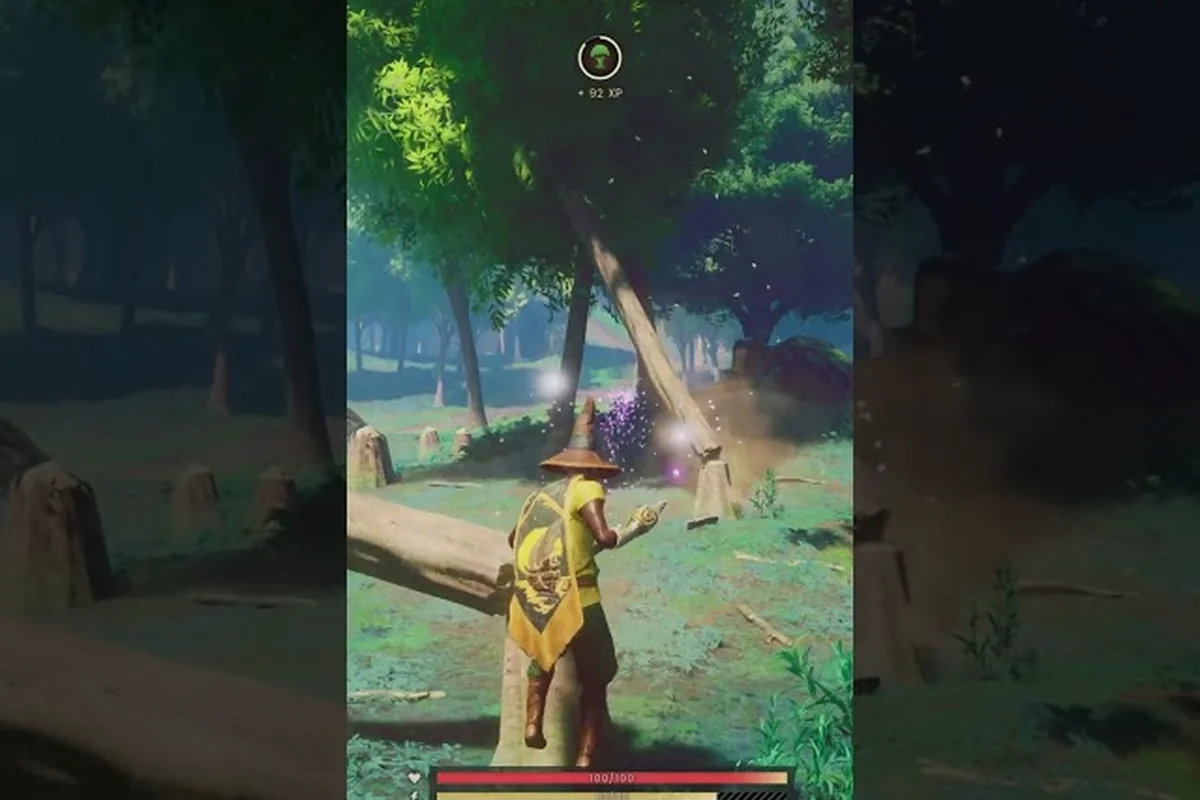
RuneScape: Dragonwilds Fishnado: Splinter & Rocksplosion Spells
Unleash RuneScape: Dragonwilds Fishnado and other wild spells like Splinter, Rocksplosion, Superheat, and Recall with the right magic potion setup for huge AoE.

RuneScape: Dragonwilds Magic Skill Tree: Branches & Spells
Explore the full RuneScape: Dragonwilds magic skill tree, compare Fire, Water, Air, Earth, and Nature branches, and learn which spells to unlock first.

RuneScape: Dragonwilds Fire Runes: Crafting & Earth Runes
Craft RuneScape: Dragonwilds Fire Runes fast, learn where to farm Earth and Nature Runes, and slot the best runes into your staff for max damage output.